
Programmatic ads in Paris for premium reach
Paris Programmatic Ads Agency
Web Tonic is a leading Paris Programmatic Ads Agency delivering targeted campaigns across display, video, and audio. We combine robust data and advanced platforms to eliminate wasted budget and connect you with high value audiences.





Tell us a little about your brand and we'll be in touch within 24 hours to lock in a time.



of digital display advertising is now bought through programmatic advertising agencies, making programmatic ads essential for modern business growth across France.
successful client campaigns delivered by our local market digital ads agency, supporting brands from retail commerce to insurance and wellness sectors.
of marketing executives confirm that real time bidding and targeted campaigns improve customer conversion rates and reduce ad waste significantly.
bidding optimization ensures continuous delivery across supply platforms ssps and demand platforms ssps, maximising campaign performance every second.
We made the difference FOR those brands


























































































































































































the shift
What makes programmatic ads different in Paris
Attention has scattered across connected TV, streaming audio, mobile apps, and digital channels throughout Paris and France, meaning no single media platform owns consumer reach anymore. Programmatic advertising reassembles this fragmented landscape through real time bidding, allowing agencies to target audiences dynamically wherever they browse. However, the open web contains substantial fraud and low-quality inventory. The difference between campaigns that build a lasting brand and those that burn money is rigorous brand safety, verified party data, and GDPR-compliant measurement. For local enterprises, tech startups, and insurance providers in the capital, disciplined digital strategy delivers premium reach without waste.
of digital display ads are traded programmatically across Europe, establishing digital advertising as the default infrastructure for scaled marketing campaigns.
of every unoptimised euro can vanish into unviewable inventory or bot fraud without strict supply platforms ssps and demand platforms ssps governance.
surges as streaming overtakes traditional television in French homes, offering high-impact video advertising opportunities for consumer tech and commerce brands.
the conversion lift when display retargeting is sequenced alongside search and social rather than running as an isolated, uncoordinated layer. The competitive cost of waiting is paid in CAC, not in capex.
our approach
How we run programmatic ads for Paris brands
We run programmatic advertising as an advanced audience and retargeting engine rather than a cheap impression dump. Strategy begins with meticulous audience definition, executes inside brand-safe inventory via top-tier demand platforms dsps, and ties view-through metrics directly to real Paris business pipeline.

Build audience data
We harness robust first party data and contextual segments so your digital advertising spend reaches genuine prospects across the region and France. Whether supporting insurance providers, tech software firms, or smb business growth, our Google partner expertise ensures precise targeting from day one.

Curate inventory
We curate premium placements using advanced supply platforms ssps, protecting your brand from fraudulent or low-viewability sites. Our dedicated local agency team ensures every display advertising placement meets stringent brand safety standards across all digital channels.

Sequence screens
We coordinate display ads, video, connected TV, and streaming audio into a seamless funnel. By sequencing messaging across devices, our digital marketing services guide consumers smoothly from initial awareness to final conversion, whether they browse from home or work.

Measure performance
We track assisted conversions and campaign performance meticulously, integrating Google ads campaigns, meta tiktok, and analytics to prove ROI. Our local digital agency provides transparent reporting so business leaders can scale marketing budgets with absolute confidence.
Results & timeline
What precision buying delivers
By eliminating fraudulent inventory through strict supply platforms ssps and contextual filtering, our programmatic advertising campaigns ensure every euro reaches real local consumers.
We reach affluent households across the region on connected TV, merging digital advertising precision with cinematic impact for luxury, tech, and commerce brands.
Coordinating programmatic display ads alongside paid search and social media generates exceptional conversion rates and sustained campaign performance.
Advanced party data segmentation allows local agencies to target niche demographics, driving qualified leads for professional services, insurance, and wellness brands.
What we optimize
Programmatic by Paris sector

Insurance & finance
Financial and insurance brands require absolute brand safety and trustworthy digital environments. We deploy contextual digital display advertising and premium video campaigns across France to reach high-intent customers seeking professional services and secure financial solutions.

Tech & software
B2B technology and SaaS companies benefit from multi-channel programmatic ads targeting decision-makers across professional networks, tech news platforms, and connected TV. We shorten long enterprise sales cycles with precise audience retargeting and Google partner integration.

Wellness & health
Wellness brands and healthcare providers need privacy-compliant digital marketing strategies. We use contextual targeting across trusted health and lifestyle content here to engage consumers without violating European data protection regulations.

Commerce & retail
Ecommerce businesses and retail commerce brands use programmatic display ads and dynamic video campaigns to drive online sales and in-store visits. We synchronise advertising across mobile devices, home desktop screens, and social platforms for maximum retail impact.

SMB business services
Local smb business services and professional agencies here gain competitive advantage through hyper-local geo-targeting and real time bidding. We optimize digital ad spend to generate high-quality leads for consultants, agencies, and regional enterprises.

Agency partnerships
Creative agencies and marketing partners across France collaborate with our programmatic ads agency to deliver enterprise-grade digital campaigns, supply platforms ssps integration, and advanced analytics for their top-tier client portfolios.
Inside the work
How we run programmatic advertising in Paris

Services

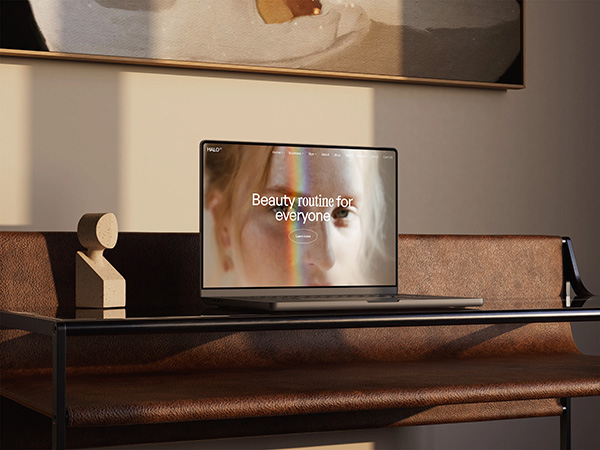
Programmatic advertising builds massive reach and brand recall, while our integrated paid search, Google ads campaigns, and meta tiktok strategies capture the active intent it generates, driving continuous growth across every local touchpoint.
.avif)
faq
Answered questions.


















Built on trust. Proven by results.
We partner with SMBs and Fortune 500 companies to deliver more than reach — we bring clarity, execution, and measurable outcomes. Every successful partnership starts with a strong culture fit and a shared drive to grow.




.webp)
.webp)